Demographic dividend, human capital dividend and urban economic resilience
Citation Format:
HE Xionglang, WANG Shiyu. Demographic dividend, human capital dividend and urban economic resilience[J]. Journal of Chongqing University (Social Science Edition), 2025(1): 46-62. Doi: 10.11835/j.issn.1008-5831.jg.2024.01.004.
School of Economics, Southwest Minzu University, Chengdu610225, P. R. China
Citation Format:
HE Xionglang, WANG Shiyu. Demographic dividend, human capital dividend and urban economic resilience[J]. Journal of Chongqing University (Social Science Edition), 2025(1): 46-62. Doi: 10.11835/j.issn.1008-5831.jg.2024.01.004.
Abstract
Population is a fundamental, long-term and strategic element for the development of the country, society and nation. Reasonable population distribution, high-quality human capital, and abundant working-age population will form a situation conducive to the investment and consumption of high-speed economic growth, create a demographic window of opportunity, and enhance the city's ability to bear risks and restore the economy. Currently, China's population is experiencing a transition from a continuous increase in the total amount of population to a continuous decrease, and the quality of the population is changing from the overall low level of education and short life expectancy to the massification of higher education and longevity. On the basis of discussing the intrinsic mechanism of the impact of the demographic dividend and human capital dividend on urban economic resilience, this paper uses the panel data of 272 cities in the period of 2010-2021, and makes an empirical analysis of the direct and indirect effects of demographic dividend and human capital dividend on urban economic resilience. The study finds that human capital dividend can significantly enhance urban economic resilience, while the effect of the demographic dividend is not obvious. The results of the heterogeneity test show that there is no obvious urban heterogeneity in the impact of demographic dividend, and the economic resilience enhancement of any type of cities is not prominent. While the effect of human capital dividend on the enhancement of urban economic resilience is more obvious in the cities in the southeast area of Hu Huanyong line, inland cities, and cities with relatively low levels of economic development, and the effect on the rest of the cities is weaker. The results of the test of the mechanism of the role show that the construction of information infrastructure effectively improves the enhancement of quality of population utilization efficiency on urban economic resilience, while the effect brought by the construction of transportation infrastructure is not obvious, and even there is a tendency to weaken the quality of population utilization efficiency to enhance urban economic resilience, at the same time, there is a significant mediating role of labor productivity in the impact of quality of population utilization efficiency on urban economic resilience. Further research finds that there is a threshold effect of population agglomeration in the impact of quality of population utilization efficiency on urban economic resilience, and the positive impact of population utilization efficiency on urban economic resilience will be weakened after crossing the threshold. Based on the above findings, the article believes that it is necessary to strengthen the construction of public health system, continuously optimize the layout of medical and health resources, and comprehensively improve the capacity of medical and health services; strengthen the construction of information infrastructure and promote its extension to the west and other border areas, and strive to play the role of informatization in promoting the flow of information elements and broadening the channels for laborers to obtain employment information; formulate talent policies in accordance with the local conditions to let talents stay and work well, fully releasing the dividend of talent, and providing sustained human capital for cities to withstand external shocks and recover their economies.
Keywords
demographic dividend; human capital dividend; urban economic resilience; heterogeneous human capital;
一、 引言及文献综述
人口是影响经济社会发展的关键变量,是实现中国式现代化的目标主体。人口规模巨大是我国的基本国情,也是提升综合国力、推动经济持续发展的重要因素。正确认识人口和现代化之间的辩证关系,科学识别人口的机会窗口,是推进社会主义现代化国家建设,实现我国第二个百年奋斗目标的基本要求。城市作为一个复杂系统,在为人类提供民生福祉的同时,也会面对各种外部冲击,为有效应对这些冲击,需要提升城市经济韧性,在不断实现新平衡状态的基础上获得创新性发展,这是未来城市发展需要关注的重大命题,已成为我国现代化建设的重要内容。党的十九届五中全会首次提出“建设韧性城市”的概念 中共中央关于制定国民经济和社会发展第十四个五年规划和二〇三五年远景目标的建议[EB/OL].(2020-11-03). 中国政府网,https://www.gov.cn/zhengce/2020-11/03/content_5556991.htm。 ①,党的二十届三中全会通过的《中共中央关于进一步全面深化改革 推进中国式现代化的决定》中进一步强调“深化城市安全韧性提升行动” 中共中央关于进一步全面深化改革推进中国式现代化的决定[EB/OL].(2024-07-21). 中国政府网,https://www.gov.cn/zhengce/202407/content_6963770.htm。 ②,可见,建设韧性城市是未来一段时期我国推动城市可持续发展的基本要求。人口作为灵活的微观经济主体,是城市经济韧性建设中的重要影响因素[ GLAESER E L. Reinventing Boston: 1630 - 2003[J]. Journal of Economic Geography, 2005, 5(2): 119-153. 1],它对城市创新[ ERAYDIN A. Attributes and characteristics of regional resilience: Defining and measuring the resilience of Turkish regions[J]. Regional Studies, 2016, 50(4): 600-614. 2]、产业结构升级[ 倪克勤, 赵颖岚, 徐凤. 劳动生产率对我国贸易收支的传导效应研究[J]. 经济研究, 2011(10): 123-136. 3]等均会产生积极作用。目前,我国正处于“人口红利”尚未消失、“人才红利”正逐渐形成的阶段,统计数据显示,我国16至59岁劳动年龄人口近9亿人,每年新增劳动力超过1 500万,新增劳动力平均受教育年限达14年,并且我国接受高等教育的人口已达2.4亿 我国接受高等教育的人口达2.4亿[EB/OL].(2022-05-17). 中国政府网,https://www.gov.cn/xinwen/2022-05/17/content_5690898.htm。 ③。在我国“人口红利”加速向“人才红利”转变的过程中,人口数量红利、人口质量红利对城市经济韧性存在何种影响?它们的影响效应是否存在差异?作用路径又是什么?探究这一问题对于着力提高我国人口整体素质,以人口高质量发展支撑中国式现代化具有重要的战略意义。
“人口红利”一词是西方学者在研究“东亚奇迹”时首次提出[ BLOOM D E, WILLIAMSON J G. Demographic transitions and economic miracles in emerging Asia[J]. The World Bank Economic Review, 1998, 12(3): 419-455. 4],它是指人口转变过程中在满足消费的前提下提高投资和储蓄的有利条件[ LEE R D, MASON A. What is the demographic dividend?[J]. Finance and Development, 2006, 43(3): 16-17. 5]。早期有关人口红利的研究,通常将人口红利描述成一种特定的人口结构特征,即适龄劳动人口的增长和总抚养比的降低所形成的“中间大、两头小”的人口年龄结构[ BLOOM D E, WILLIAMSON J G. Demographic transitions and economic miracles in emerging Asia[J]. The World Bank Economic Review, 1998, 12(3): 419-455. 4, 陆旸, 蔡昉. 从人口红利到改革红利:基于中国潜在增长率的模拟[J]. 世界经济, 2016(1): 3-23. 6],认为这一人口结构会使劳动力供给和储蓄增多并降低社会负担[ BLOOM D E, CANNING D, SEVILLA J. The demographic dividend: A new perspective on the economic consequences of population change[M]. Santa Monica, Calif.: Rand, 2003. CAI F, WANG D W. China's demographic transitionImplications for growth[M]//ROSS G, SONG L G. The China Boom, and Its Discontents. Canberra: Asia Pacific Press, 2005. 7-8],为高速经济增长提供重要的保障,同时这一影响还存在显著的空间溢出效应,促进劳动力合理流动是充分发挥其外溢效应的重要途径[ 钟水映, 李魁. 人口红利、空间外溢与省域经济增长[J]. 管理世界, 2010(4): 14-23,186-187. 9]。但也有学者认为这种单纯依靠资本积累和劳动投入,缺乏生产率的实质性进步的人口红利,终会因边际报酬递减、适龄劳动力人口下降、老年抚养比上升使经济发展具有不可持续性[ KRUGMAN P. The myth of asia's miracle[J]. Foreign Affairs, 1994, 73(6): 62-78. 蔡昉. 人口转变、人口红利与刘易斯转折点[J]. 经济研究, 2010(4): 4-13. 10-11]。
近年来,随着我国市场化进程加速和经济发展阶段变迁,我国人口结构迅速演变,人口老龄化问题不断加剧,基于人口数量红利的观点认为现阶段我国人口数量红利正逐渐消失,经济发展从中继续获利的难度加大。一方面,劳动力供给数量下降、成本上涨,劳动力供求市场日益严峻,制约了经济发展[ 钟水映, 汪世琦. 如何认识人口负增长对经济增长的影响:基于供给端的基本理论框架和初步分析[J]. 武汉科技大学学报(社会科学版), 2021(4): 421-429. 12];另一方面,人口老龄化问题加剧,增加了社会养老负担和福利支出,挤占了教育科研等投资[ 逯进, 刘璐, 郭志仪. 中国人口老龄化对产业结构的影响机制:基于协同效应和中介效应的实证分析[J]. 中国人口科学, 2018(3): 15-25,126. 13]。目前,我国劳动力供求关系变化导致数量和低成本优势逐渐消失的现象,使再度激活人口红利面临“危”与“机”。有研究认为,通过建立有效的公共政策能够激励养老储蓄和提高劳动生产率,例如完善社会养老保险体系、加强人力资本投资等,有可能形成新的有利于经济高速增长的投资和消费局面,创造出第二次人口红利[ 蔡昉. 如何开启第二次人口红利?[J]. 国际经济评论, 2020(2): 9-24,4. 李竞博, 原新. 如何再度激活人口红利:从劳动参与率到劳动生产率:人口红利转型的实现路径[J]. 探索与争鸣, 2020(2): 131-139,160. 14-15]。因此,研究人力资本(人口质量红利)对经济发展的影响成为当前的热门话题,认为在经济持续快速增长阶段,不仅得益于劳动力数量的增长,劳动力质量的改善和提升也有很大贡献,能为经济发展提供持久而稳定的动力[ 李德煌, 夏恩君. 人力资本对中国经济增长的影响:基于扩展Solow模型的研究[J]. 中国人口·资源与环境, 2013(8): 100-106. 丁小浩, 高文娟, 黄依梵. 从人口数量红利到人口质量红利:基于143个国家面板数据的实证分析[J]. 教育研究, 2022(3): 138-148. 16-17]。并且,教育是改善劳动力质量的重要方式,其对经济发展的贡献会随着一个地区的经济发展越来越大[ PETRAKIS P E, STAMATAKIS D. Growth and educational levels: A comparative analysis[J]. Economics of Education Review, 2002, 21(5): 513-521. 18],但影响效应在不同教育阶段和不同性别中会表现出差异性[ KALAITZIDAKIS P, MAMUNEAS T P, SAVVIDES A, et al. Measures of human capital and nonlinearities in economic growth[J]. Journal of Economic Growth, 2001, 6(3): 229-254. 19]。也有学者将人口红利进行了进一步拓展,认为人力资本不仅仅包括凝聚在劳动力身上的知识、技能等要素,健康人力资本也是人口质量红利的一个方面,良好的健康状况有利于缓解人口老龄化带来的劳动力要素投入绝对数量的下降,促进劳动参与率和劳动生产效率的提升,从而推动经济发展[ 余静文, 苗艳青. 健康人力资本与中国区域经济增长[J]. 武汉大学学报(哲学社会科学版), 2019(5): 161-175. 20],但过多的健康投资会挤占物质资本积累,将对经济增长带来不利的影响[ 王弟海, 龚六堂, 李宏毅. 健康人力资本、健康投资和经济增长:以中国跨省数据为例[J]. 管理世界, 2008(3): 27-39. 21]。林毅夫则认为不论是人口数量红利还是人口质量红利所带来的经济增长效应均离不开人口流动下配置效率的提升,劳动力在产业间和产业内部的流动会促使配置效率提高,从而产生人口红利,这一红利被称为“配置型人口红利”,配置型人口红利通过赋予劳动者更大的社会价值,以增加投资于人力资本的回报,提升整个社会的经济效益[ 林毅夫. 新结构经济学、自生能力与新的理论见解[J]. 武汉大学学报(哲学社会科学版), 2017(6): 5-15. 22]。此外,还有学者从产业结构调整[ 颜色, 郭凯明, 杭静. 中国人口红利与产业结构转型[J]. 管理世界, 2022(4): 15-33. 23]、出口贸易[ 钱瑛, 张明志, 陈榕景. 人口结构转型、人口红利演进与出口增长:来自中国城市层面的经验证据[J]. 经济研究, 2019(5): 164-180. 24]等方面探讨了人口红利的经济效应。
人口集聚直接表现为地区人口规模扩大,人口规模作为城市规模的一个重要衡量方面,其变化会影响城市承受危机和恢复经济的能力[ FAGGIAN A, GEMMITI R, JAQUET T, et al. Regional economic resilience: The experience of the Italian local labor systems[J]. The Annals of Regional Science, 2018, 60(2): 393-410. 35]。一方面,在人口集聚初期会产生“劳动力池效应”,促使多样化企业集聚,推进城市产业结构转型升级并呈现出多样化发展态势,产业多样化又可以增强城市分担危机和恢复经济的能力,使其具有较强的经济韧性。同时,人口集聚还将缩短技术传播距离,提高传播效率,使产业间劳动力逐步实现共享,构建出多元的共享劳动力市场,为城市产业长期升级提供丰厚的劳动力支持,从而不断增强城市经济韧性。另一方面,当城市人口规模过于庞大时,会形成市场拥挤效应,不仅将对政府公共服务能力提出巨大的挑战,医疗、教育等公共服务水平也将大打折扣[ HENDERSON J V. The effects of urban concentration on economic growth[R]. NBER Working Paper, 2000, 1: 7503. 36],使人口集聚无法形成规模效应带来经济增长,此外,人口的过度集聚还会造成当地通勤成本、物价成本等的上升,使企业的生产成本增加,大批企业将转移至其他地区,导致“城市空心化”[ ALONSO W. The historic and the structural theories of urban form: Their implications for urban renewal[J]. Land Economics, 1964, 40(2): 227. 37],进而使城市中劳动者的市场消费潜能无法支撑其抵御外部冲击,对增强城市经济韧性产生相反作用。基于上述分析,本文提出如下假设。
Lucas[ LUCAS R E. On the mechanics of economic development[J]. Journal of Monetary Economics, 1988, 22(1): 3-42. 42]和Romer[ ROMER P M. Endogenous technological change[J]. Journal of Political Economy, 1990, 98(5, Part 2): S71-S102. 43]在其新增长理论模型中将物质资本、人力资本同时纳入了经济增长函数中,认为人口数量红利和人口质量红利共同影响经济发展,并且两者存在互为因果的关系,本文中将人口数量红利、人口质量红利两个维度的4个解释变量同时纳入模型中回归进行稳健性检验。
GLAESERE L. Reinventing Boston: 1630 - 2003[J]. Journal of Economic Geography, 2005, 5(2): 119-153.
[2]
ERAYDINA. Attributes and characteristics of regional resilience: Defining and measuring the resilience of Turkish regions[J]. Regional Studies, 2016, 50(4): 600-614.
BLOOMD E, CANNINGD, SEVILLAJ. The demographic dividend: A new perspective on the economic consequences of population change[M]. Santa Monica, Calif.: Rand, 2003.
[8]
CAIF, WANGD W. China's demographic transitionImplications for growth[M]//ROSSG, SONGL G. The China Boom, and Its Discontents. Canberra: Asia Pacific Press, 2005.
PETRAKISP E, STAMATAKISD. Growth and educational levels: A comparative analysis[J]. Economics of Education Review, 2002, 21(5): 513-521.
[19]
KALAITZIDAKISP, MAMUNEAST P, SAVVIDESA, et al. Measures of human capital and nonlinearities in economic growth[J]. Journal of Economic Growth, 2001, 6(3): 229-254.
FAGGIANA, GEMMITIR, JAQUETT, et al. Regional economic resilience: The experience of the Italian local labor systems[J]. The Annals of Regional Science, 2018, 60(2): 393-410.
[36]
HENDERSONJ V. The effects of urban concentration on economic growth[R]. NBER Working Paper, 2000, 1: 7503.
[37]
ALONSOW. The historic and the structural theories of urban form: Their implications for urban renewal[J]. Land Economics, 1964, 40(2): 227.






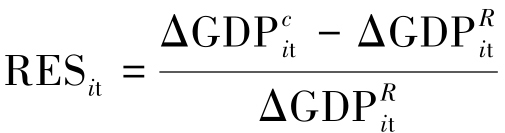
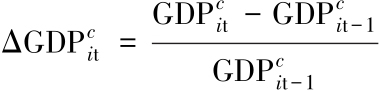 ,
,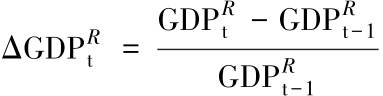 ,
, 、
、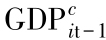 分别表示
分别表示 、
、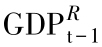 则分别表示全国在t年、t-1年的生产总值。 ④